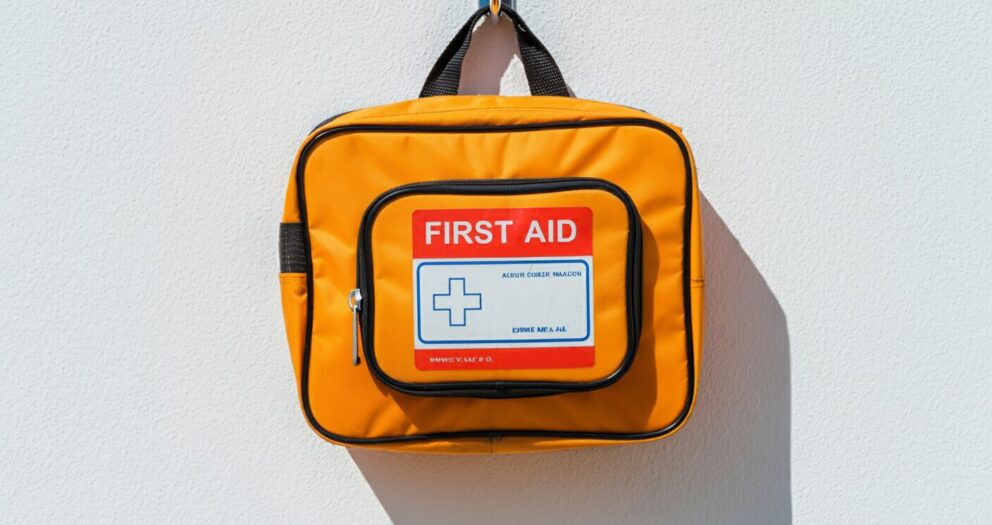
The world was hit with a virus unexpectedly, spreading so fast and hitting deep into the economies of the nations of the world.
For the world to survive, some measures are advised to be taken in addition to other therapeutics to combat this ravishing virus. Part of these measures is the use of personal protective equipment (PPEs).
Based on the currently available evidence, the World Health Organization (WHO) recommended PPEs for the care of COVID-19 patients.
Keeping in mind, PPE is part of a larger infection prevention and control bundle of measures and should be implemented as part of a multi-modal strategy for the management of COVID-19 patients.
What is PPE?

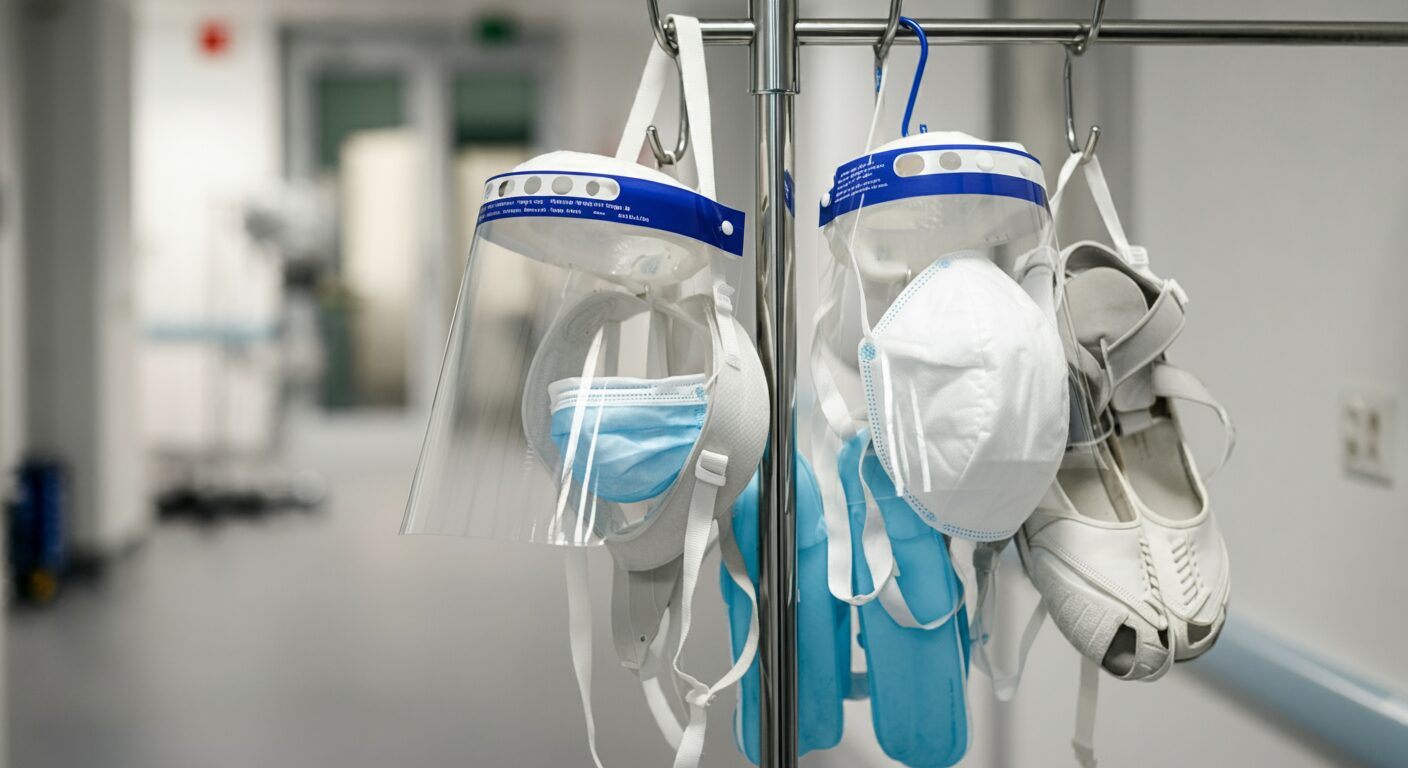
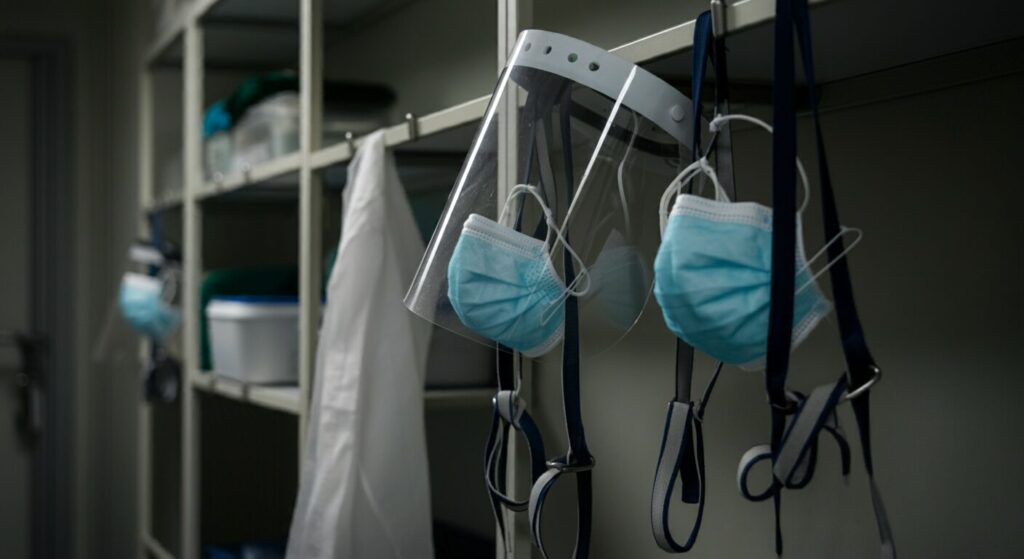
Personal Protective Equipment(PPE) refers to protective clothing, helmets, gloves, face shields, goggles, surgical masks, respirators, and other equipment designed to protect the wearer from injury or help prevent wearer exposure to infection.
PPE is commonly used in healthcare settings such as hospitals, doctors’ offices, and clinical labs as well as food production facilities and food service settings.
PPE acts as a barrier between infectious materials(such as viral and bacterial contaminants) and the skin, mouth, nose, or eyes (mucous membranes).
The barrier provided by the PPE has the potential to block the transmission of contaminants from blood, body fluids, or respiratory secretions when used properly.
PPE may also protect patients who are at high risk for contracting infections through a surgical procedure.
When used properly and with other infection control practices such as hand washing, using alcohol-based sanitizers, and covering coughs and sneezes, PPE minimizes the spread of infection from one person to another.
Effective use of PPE includes properly removing and disposing of contaminated PPE to prevent exposing both the wearer and other people to infection.
The following are examples of items that make up personal protective equipment (PPEs);
- Helmet: A helmet covers the entire head with a rear that covers the base of the skull and a protective section over the front of the chin.
- Gloves: It is a covering for the hand-worn for protection against dirt and typically have separate parts for each finger and the thumb.
- Face shield: A face shield is an item of PPE, that aims to protect the wearer’s entire face from hazards or potentially infectious materials.
- Goggles: This is a form of eye-protective, that usually encloses or protects the area surrounding the eye in order to prevent particles from striking the eyes.
- Coveralls: these are protective cloth-like materials worn to cover every part of the body. They can be disposable or non-disposable.
- Surgical Mask: It is also known as a face mask, and is intended to be worn by health professionals during health care procedures. It is designed to prevent cross-infection between patients and health personnel, stopping or reducing bacteria shed in liquid droplets, and aerosols from the wearer’s mouth and nose. It is disposable.
- Respirator: It is a PPE designed to protect the wearer from inhaling hazardous particles. The presence of filters makes it very useful and protective against coronavirus.
Popular Personal Protective Equipment in Nigeria
Personal Protective Equipment (PPE) is essential in various industries and workplaces across Nigeria to safeguard individuals from potential hazards. Here are some of the most common types:
1. Safety Helmets
Types: Hard hats, bump caps
Protection: Impact from falling objects, penetration, electrical shock (in some cases)
Features: Adjustable headbands, ventilation, reflective strips, chin straps
Common Uses: Construction, mining, oil & gas, forestry, manufacturing
2. Safety Glasses and Goggles
Types: Safety glasses, goggles, face shields
Protection: Impact from flying particles, dust, chemicals, UV radiation, bright light
Features: Anti-fog coatings, side shields, adjustable temples
Common Uses: Construction, manufacturing, laboratories, welding, woodworking, sports
3. Safety Boots
Types: Steel-toe boots, composite-toe boots, metatarsal guards
Protection: Impact and compression hazards to the toes, puncture resistance, slip resistance
Features: Steel or composite toe caps, puncture-resistant plates, slip-resistant soles
Common Uses: Construction, manufacturing, warehousing, shipping, oil & gas
4. Gloves
Types: Leather, rubber, nitrile, Kevlar, cut-resistant, chemical-resistant
Protection: Cuts, abrasions, punctures, chemicals, extreme temperatures, electrical hazards
Features: Different levels of cut resistance, chemical resistance, heat resistance, grip
Common Uses: Construction, manufacturing, healthcare, laboratories, food handling, gardening
5. High-Visibility Clothing
Types: Safety vests, jackets, pants, rainwear
Protection: Increased visibility in low-light conditions or hazardous environments
Features: Fluorescent or reflective materials, contrasting colors
Common Uses: Roadwork, construction, traffic control, aviation, emergency services
6. Respiratory Protection
Types: Dust masks, respirators (N95, N100), self-contained breathing apparatus (SCBA)
Protection: Dust, fumes, vapors, gases, airborne particles
Features: Different levels of filtration, and fit testing are required for respirators
Common Uses: Construction, mining, chemical handling, healthcare, welding, spray painting
7. Ear Protection
Types: Earplugs, earmuffs
Protection: Noise-induced hearing loss
Features: Noise reduction rating (NRR), comfort, fit
Common Uses: Construction, manufacturing, airports, live music venues, shooting ranges
8. Fall Protection Equipment
Types: Harnesses, lanyards, lifelines, anchor points, fall arrest blocks
Protection: Falls from heights
Features: Double-leg or full-body harnesses, various lanyard configurations, shock-absorbing lanyards
Common Uses: Construction, roofing, window cleaning, tree work, telecommunications
9. Chemical Splash Suits
Types: Full-body suits, aprons, boots, gloves, face shields
Protection: Chemical spills and splashes
Features: Chemical-resistant materials (e.g., Tyvek, PVC), liquid-tight seams
Common Uses: Laboratories, chemical plants, cleaning hazardous materials, environmental cleanup
10. Hand Sanitizer
Types: Alcohol-based hand sanitizers, soap and water
Protection: Spread of germs and viruses
Features: 60% or higher alcohol content, portable and convenient
Common Uses: Healthcare settings, public areas, everyday life
Always choose PPE that is appropriate for the specific hazards encountered in the workplace and ensure that it is properly fitted, maintained, and used according to manufacturer instructions.
A surgical mask or a respirator?

There are differences between a surgical mask and a respirator and the differences are:
- Surgical masks do not effectively filter small particles from the air while a respirator protects from exposure to airborne particles. In health care, it protects from exposure to biological aerosols including viruses and bacteria.
- A face mask is a loose-fitting mask that covers the nose and mouth area while a respirator is a tight-fitting mask that creates a facial seal.
- Face masks are designed to be used as one-way protection only i.e. only capturing large particles or droplets existing from the wearer and preventing them from being spread to the environment.
- Respirators are designed to be used in a two-way protection i.e. filtering the air entering and exiting the wearer at a level of efficiency designated by the respiration or filter.
It is to be noted that these PPEs, especially face masks, are compulsory to be used by everybody, not excluding anyone in this critical period in conjunction with proper handwashing, social distancing, and the use of sanitizers to curb the spread of this deadly virus.
Coronavirus is real! Don’t be deceived by what you hear from ignorant people in your community.
This personal protective equipment (PPEs) and more can be ordered directly online in Nigeria with a click from clinicaid.com.ng and all will be delivered to your doorsteps
Use the search button on the website to locate your desired PPE equipment. You can also browse our shop to order more personal care products.

Digi Clinicaid Nigeria Ltd is an online medical marketplace in Nigeria.