Every hospital in Nigeria, regardless of size or location, should have a core set of essential medical equipment to provide basic healthcare services.
Some years back, a medical doctor died of heart-related issues at a Federal Medical Center in Nigeria because they didn’t have a defibrillator. This loss could have been prevented. If a doctor can lose his life in a Federal Medical center, then what is the plight of the patients?
In many parts of the world, there are hospitals running on minimal medical supplies. Their medical professionals work as optimistically as they can to supply the very best care readily available, but frequently, it is inadequate.
Hospitals need to be ready for anything that may come through the doors. That’s why keeping key pieces of medical equipment on hand at all times is so essential to offering complete care.
To supply extensive treatment for clients, there is a basic set of devices and equipment that all medical facilities should have ready.
Essential Medical Equipment Every Hospital Should Have
This is a list of essential medical equipment that can frequently be reconditioned as well as brand-new, permitting medical facilities to manage their patients:
1. Diagnostic Equipment
i). Electrocardiogram (ECG) Machine
- Records the electrical activity of the heart.
- Helps diagnose heart conditions like arrhythmias, heart attacks, and heart enlargement.
- Essential for monitoring patients with heart problems.
- Measures blood pressure, both systolic (when the heart beats) and diastolic (when the heart rests).
- Used to screen for hypertension and monitor blood pressure during treatment.
- Available in manual and automatic versions.
iii). Pulse Oximeter
- Measures the oxygen saturation of the blood.
- Used to monitor patients with respiratory problems, during anesthesia, and after surgery.
- Non-invasive and easy to use.
iv). Thermometers
- Measures body temperature.
- Used to screen for fever and monitor patient temperature during illness.
- Available in digital, infrared, and temporal artery types.
v). Stethoscopes
- Used to listen to heart and lung sounds.
- Helps diagnose heart murmurs, abnormal lung sounds, and other conditions.
- Essential for physical examinations.

2. Emergency Equipment
i). Defibrillator
- Delivers an electric shock to the heart to restore normal rhythm.
- Used to treat cardiac arrest, a life-threatening condition.
- Available in automated external defibrillators (AEDs) for use by non-medical personnel.
ii). Oxygen Supply
- Provides supplemental oxygen to patients who are not getting enough oxygen from the air.
- Used to treat respiratory distress, shock, and other conditions.
- Available in various forms, including oxygen tanks and concentrators.
iii). Suction Machine
- Removes fluids and secretions from the airways.
- Used to clear the airways of patients who are unconscious, choking, or having difficulty breathing.
iv). Ambu Bag
- A manual breathing device is used to provide artificial ventilation.
- Used when a patient is not breathing on their own.
- Requires training to use properly.
- A wheeled cart that contains all the essential equipment needed for emergency care.
- Helps ensure that all necessary equipment is readily available in an emergency.
3. Treatment Equipment
i). Intravenous (IV) Stands and Fluids
- Used to administer fluids and medications directly into a vein.
- Essential for treating dehydration, electrolyte imbalances, and other conditions.
- Syringes and Needles:
ii). Used for injections and blood draws.
- Available in various sizes and gauges.
iii). Wound Care Supplies
- Includes bandages, gauze, antiseptic solutions, and other materials used to clean and dress wounds.
- Essential for preventing infection and promoting healing.
iv). Casts and Splints
- Used to immobilize fractures and other injuries.
- Help to reduce pain and promote healing.
v). Basic Surgical Instruments
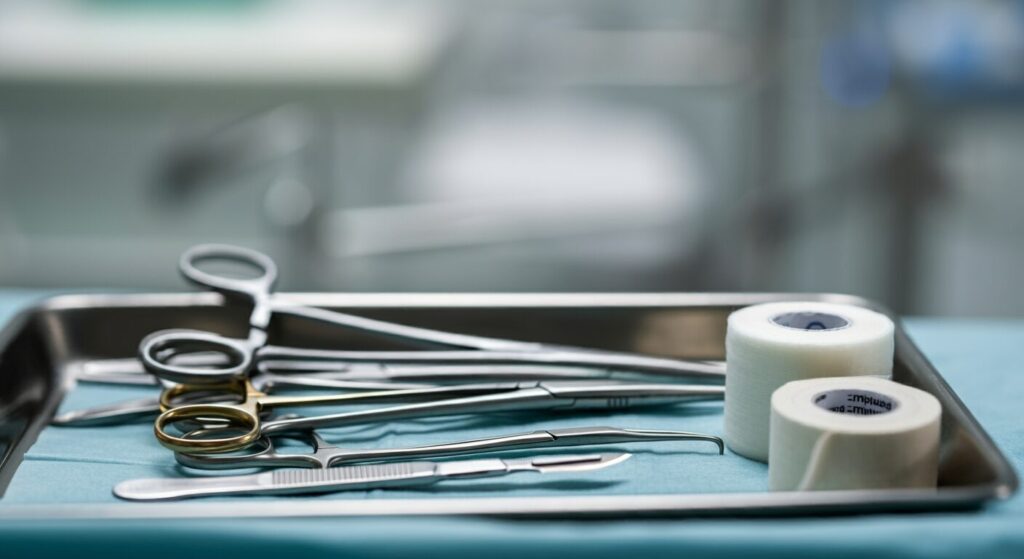
- Includes scalpels, scissors, forceps, and other tools used for minor surgical procedures.
4. Laboratory Equipment
i). Microscope
- Used to examine blood, urine, and other specimens.
- Helps to diagnose infections and other diseases.
ii). Centrifuge
- Spins samples at high speed to separate components.
- Used to separate blood cells from plasma and other substances.
iii). Urinalysis Equipment
- Used to test urine samples for the presence of blood, sugar, protein, and other substances.
- Helps to diagnose urinary tract infections and other conditions.
iv). Basic Chemistry Analyzer
- Performs basic blood tests, such as blood sugar and electrolyte levels.
- Helps to monitor patient health and diagnose medical conditions.
5. Imaging Equipment
i). X-ray Machine
- Uses electromagnetic radiation to create images of bones and internal organs.
- Used to diagnose fractures, pneumonia, and other conditions.
ii). Ultrasound Machine
- Uses sound waves to create images of internal organs and tissues.
- Used to diagnose pregnancy, heart problems, and other conditions.
6. Other Essential Equipment
i). Sterilizer
- Uses heat or chemicals to kill microorganisms on medical instruments.
- Essential for preventing the spread of infection.
ii). Autoclave
- A type of sterilizer that uses steam under pressure to sterilize medical equipment and supplies.
iii). Patient Monitors
- Continuously monitor a patient’s vital signs, such as heart rate, blood pressure, and oxygen saturation.
- Used to detect changes in a patient’s condition and provide early warning of potential problems.
iv). Wheelchairs
- Assist patients with mobility impairments.
- Help patients to move around the hospital and participate in their care.
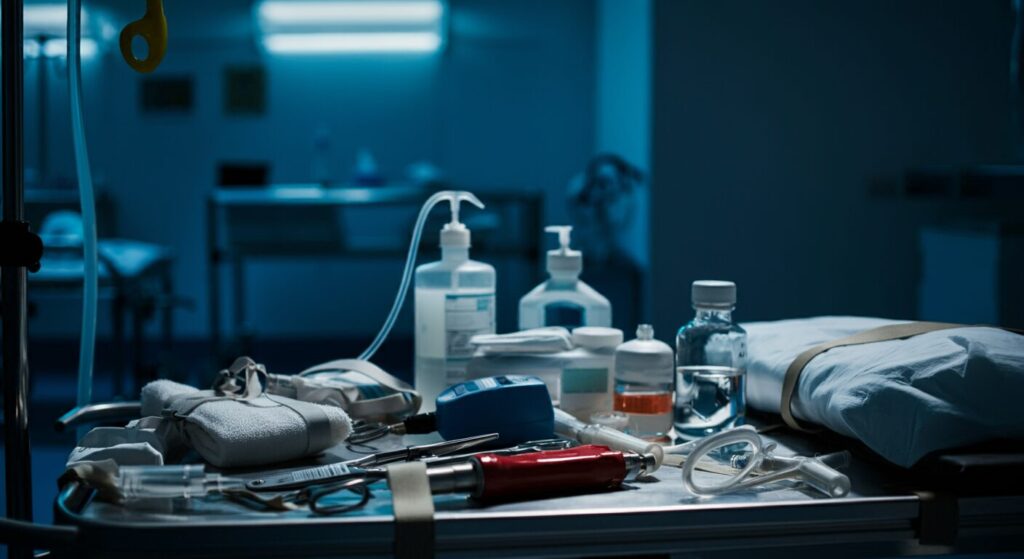
Top medical equipment that should be in hospitals in Nigeria
Other top medical equipments that should be present in every hospital in Nigeria are:
1. Hospital Stretchers
Carrying patients is very essential when handling emergencies.
This tool is essential for health centers to keep on hand as clients pass through their care.
2. Defibrillators


Frequently utilized in life-threatening circumstances such as heart arrhythmia or tachycardia, defibrillators bring back regular rhythm to the heart.
They are necessary tools that a medical facility always needs backups for.
3. Anesthesia Machines
Anesthesia devices are created to supply a precise and continuous supply of medical gases to maintain a correct level of anesthesia to a patient.
Modern anesthesia makers consist of added tools such as a ventilator, suction unit, and patient-monitoring gadgets.
4. Client Monitors

Patient screens are basic pieces of medical equipment that keep accurate track of a client’s condition and state of health during and after surgery.
They are needed for adults, pediatric & neonatal patients.
5. Sterilizers
-
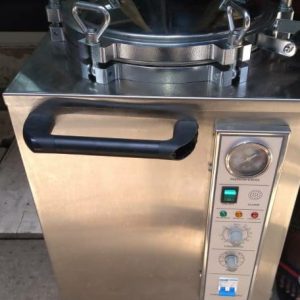 Autoclave steam sterilizer (Vertical, LS-B 35L)
 -
 Autoclave steam sterilizer (Portable) Available Litres: 30
 -
 Autoclave Sterilizer (Table top, Class B, with Vacuum Dry function) Available Litres: 30L
 -
 Autoclave Sterilizer 80L (Class B Table top)
 -
Autoclave Sterilizer 60L (Class B Table top)
-
Autoclave Sterilizer 45L (Class B Table top)
-
 Autoclave (Horizontal Steam Sterilizer, Microcomputer Control, drying function, Fly wheel door) 150L
 -
 Autoclave (Horizontal Steam Sterilizer, Touch screen, Fly wheel door) 150
 -
Autoclave (Horizontal Steam Sterilizer, Touch screen, Fly wheel door) 200
-
Autoclave (Horizontal Pulse Vacuum Steam Sterilizer, touch screen, Fly wheel door) 150L
-
Autoclave (Horizontal Pulse Vacuum Steam Sterilizer, touch screen, Fly wheeldoor) 200L
-
 Sterilizer
Health center sterilizers kill all kinds of microbial life consisting of fungi, germs, infections, spores, and all other entities present on surgical tools and other medical products.
An autoclave disinfects equipment and supplies utilizing high-pressure saturated steam for a short amount of time.
6. EKG/ECG Machines
-
 Anaesthesia Machine (Tidal Volume 20~1500mL Mode: VCV, PCV, PSV, SIMV-VC, SIMV-PC, Manual, 10″ TFT LCD colour touch screen, Built-in battery, Built-in electronic PEEP valve Lung mechanics parameter and loops (P-V, V-F) Gas supply: O2, N2O, Air Side monitor INBP, SP02, Temp, ECG, CO2)
 -
 Multi-Parameter Patient Monitor (Portable 7inch 6 parameters NIBP, SPO2, PR, Temp, ECG and HR)
 -
 Multi-Parameter Monitor (Neonatal to Adult, 8inch 6 parameters NIBP, SPO2, PR, Temp, ECG and HR)
 -
 Multi-Parameter Patient Monitor (12.5inch 6 parameters NIBP, SPO2, PR, Temp, ECG and HR Optional touch screen, x2 IBP, EtCO2 & printer)
 -
 12 Channel ECG Holter (Hand-held)
 -
 Digital single channel ECG machine (single channel,12 lead, digital)
 -
 ECG Machine (6 Channel, 12 lead, digital)
 -
 ECG machine (12 channel, digital ,12 lead)
 -
 ECG machine (12 channel, Touch screen, digital)
 -
 Stress ECG PC base(with treadmill complete
 -
 T12 12-Channel Digital ECG Resting and stress ECG machine
 -
 HAND HELD ECG
An electrocardiogram (EKG) records the electrical activity of the heart over an amount of time and enables healthcare providers to keep track of the general rhythm of the heart and recognize any irregularities.
7. Surgical Tables

Surgical tables are necessities for a medical facility.
For patient preparation, surgeries, and healing, these pieces of equipment are essential.
8. Blanket and Fluid Warmers
Body temperature levels that are not kept throughout surgical treatment can cause post-surgical problems such as perioperative hypothermia, extended hospitalization and recovery, and an increase in the danger of infection.
That’s why blanket warmers and fluid warmers are so important for healthcare facilities to have.
9. Electrosurgical Units


An electrosurgical unit is used in surgical treatment to cut, coagulate, or otherwise modify tissue, frequently to restrict the quantity of blood circulation to an area and increase visibility during surgery.
This device is vital to cauterizing and minimizing blood loss during surgery.
10. Surgical Lights


Surgical lights are an obligatory part of any surgical setting to help surgeons work under sufficient lighting conditions.
Defibrillators, client screens, surgical tables, EKGs, anesthesia devices, sterilizers, lights, ultrasounds, and electrosurgical systems, blanket/fluid warmers are all needed pieces of hospital devices.
Keeping these on hand is critical to the functional success of a hospital and the healthcare delivered within it.
Conclusion
This list represents the minimum essential medical equipment that every hospital in Nigeria should have to provide basic healthcare services.
The specific needs of each hospital may vary depending on its size, location, and the types of services it provides. However, these core pieces of equipment are essential for ensuring the safety and well-being of patients.

Digi Clinicaid Nigeria Ltd is an online medical marketplace in Nigeria.