
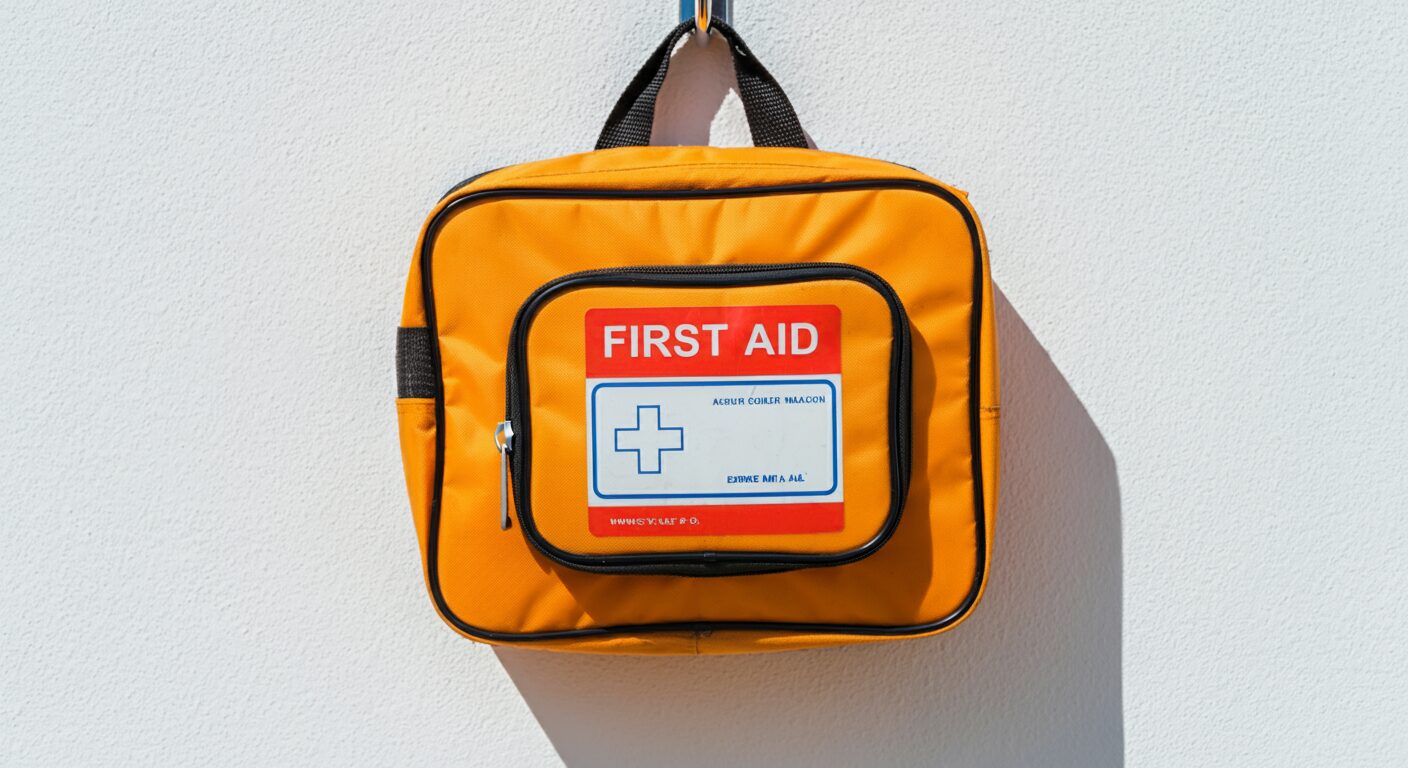
Accidents can happen anywhere, anytime! Whether you’re at home, in the office, or on the go, having a well-stocked first aid kit is essential for every Nigerian.
According to the World Health Organization (WHO), a first aid kit can significantly reduce the risk of injuries and illnesses. In this article, we will cover the first aid kit items for emergency treatment in Nigeria.
First Aid Kit Items You Must Have in Nigeria
At Clinicaid, we’ve got you covered with the ultimate list of first-aid kit items for emergency treatment in Nigeria.
1. Bandages (Assorted Sizes)
For minor cuts and scrapes, bandages provide protection and support. Include assorted sizes to fit different wound sizes.
2. Gauze Pads (10-20)
Gauze pads are essential for cleaning and dressing wounds. Look for sterile, medical-grade pads.
3. Antiseptic Wipes (50-100)
Keep germs at bay with antiseptic wipes. Use them to clean wounds, hands, and surfaces.
4. Medical Gloves (Latex or Nitrile)
Protect yourself from infections with medical gloves. Choose latex or nitrile gloves for durability.
5. Pain Relievers (Acetaminophen or Ibuprofen)
For headaches, fever, or pain, keep pain relievers on hand. Consult a doctor for dosage.
6. Antihistamines (For Allergic Reactions)
Don’t let allergies catch you off guard! Antihistamines help alleviate symptoms.
7. Hydrocortisone Cream
Soothe skin irritations like eczema or dermatitis with hydrocortisone cream.
8. Medical Tape (1-2 Rolls)
Secure bandages and dressings with medical tape.
9. Scissors
Cut bandages or clothing with sharp, clean scissors.
10. Tweezers
Remove splinters or ticks with precision tweezers.
11. Thermometer (Digital or Analog)
Check temperatures accurately with a reliable thermometer.
12. Eye Wash Solution
Flush out foreign objects or chemicals with an eye wash solution.
13. Burn Cream
Soothe minor burns with burn cream. Seek medical attention for severe burns.
14. Over-the-Counter Antibiotic Ointment
Prevent infections with antibiotic ointment. Apply to minor cuts and scrapes.
15. First Aid Manual
Your go-to guide for emergency procedures.
These are the essential first aid kit items you should have in Nigeria today and ensure you’re prepared for any minor medical emergency!
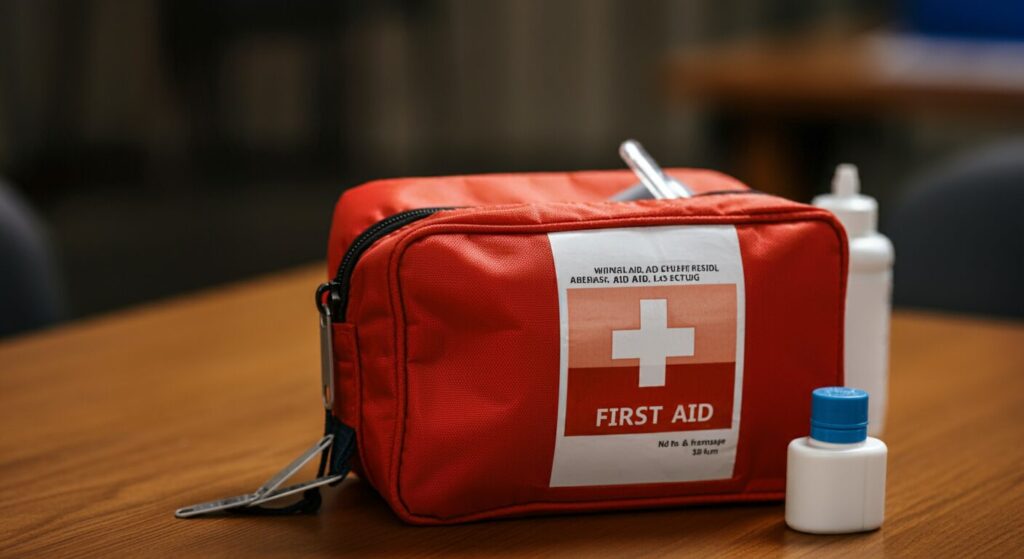
What is a First Aid Kit?
A first aid kit is a collection of supplies and equipment designed to provide immediate care and treatment for minor injuries or illnesses that occur in everyday life, at work, or during outdoor activities. The purpose of a first aid kit is to:
1. Stop bleeding and promote healing
2. Prevent infection
3. Relieve pain
4. Stabilize injuries or conditions until medical help arrives
A basic first aid kit typically includes:
Medical Supplies
1. Bandages and band-aids
3. Antiseptic wipes and spray
4. Medical tape
5. Scissors
6. Tweezers
7. Thermometer (oral or digital)
8. First aid manual or guidebook
Pain Relief and Antihistamines
1. Acetaminophen (e.g., Tylenol)
2. Ibuprofen (e.g., Advil)
3. Benadryl (for allergic reactions)
4. Aspirin (optional)
Wound Care
1. Hydrocortisone cream
2. Antibiotic ointment
3. Burn cream
General Medical
1. Medical gloves
2. Eye wash solution
3. Triangular bandage (for immobilizing injuries)
Additional Items (depending on the kit’s purpose)
1. CPR mask
2. Defibrillator (AED)
3. Over-the-counter medications (e.g., epinephrine auto-injector)
4. Prescription medications (e.g., EpiPen)
5. Snake bite kit (in regions prone to snake bites)
First aid kits come in various sizes and types, tailored to specific needs, such as:
1. Home and family kits
2. Workplace kits
3. Outdoor and adventure kits
4. Sports kits
5. Travel kits
6. Vehicle kits
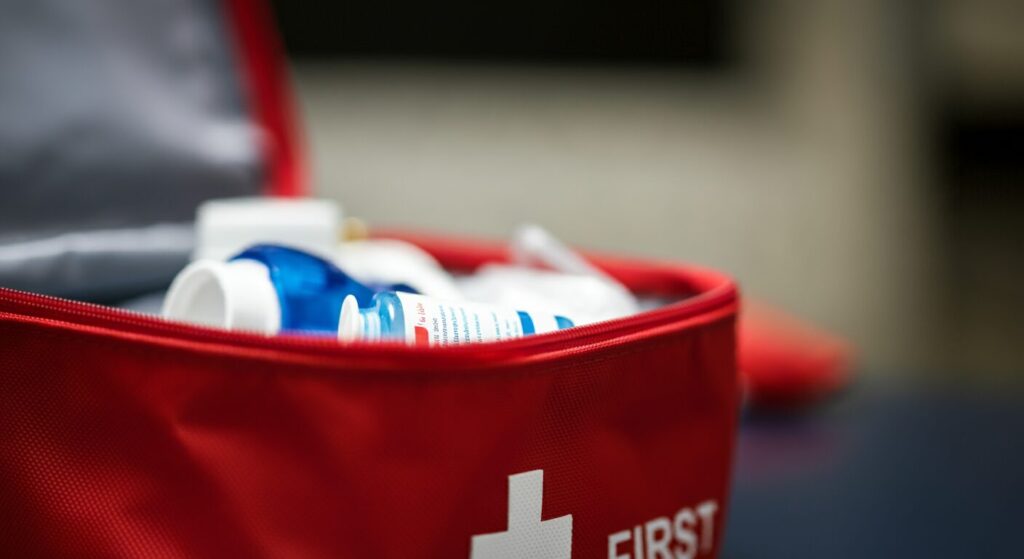
Home and Family First Aid Kits
1. Bandages (assorted sizes)
2. Gauze pads (10-20)
3. Antiseptic wipes (50-100)
4. Medical tape (1-2 rolls)
5. Scissors
6. Tweezers
7. Thermometer (oral or digital)
8. First aid manual
9. Pain relievers (acetaminophen, ibuprofen)
10. Antihistamines (Benadryl)
11. Hydrocortisone cream
12. Antibiotic ointment
13. Burn cream
14. Eye wash solution
15. Medical gloves
16. Over-the-counter medications (e.g., epinephrine auto-injector)
17. Prescription medications (e.g., EpiPen)
18. Cold pack
19. Hot pack
Workplace First Aid Kits
1. Bandages (assorted sizes)
2. Gauze pads (20-50)
3. Antiseptic wipes (100-200)
4. Medical tape (2-3 rolls)
5. Scissors
6. Tweezers
7. Thermometer (oral or digital)
8. First aid manual
9. Pain relievers (acetaminophen, ibuprofen)
10. Antihistamines (Benadryl)
11. Hydrocortisone cream
12. Antibiotic ointment
13. Burn cream
14. Eye wash solution
15. Medical gloves
16. Eye wash station
17. Burn blanket
18. First aid sign
19. Accident report form
Outdoor and Adventure First Aid Kits
1. Bandages (assorted sizes)
2. Gauze pads (20-50)
3. Antiseptic wipes (100-200)
4. Medical tape (2-3 rolls)
5. Scissors
6. Tweezers
7. Thermometer (oral or digital)
8. First aid manual
9. Pain relievers (acetaminophen, ibuprofen)
10. Antihistamines (Benadryl)
11. Hydrocortisone cream
12. Antibiotic ointment
13. Burn cream
14. Snake bite kit
15. Blister care (moleskin, etc.)
16. Water purification tablets
17. Insect repellent
18. Sunscreen
19. Emergency shelter
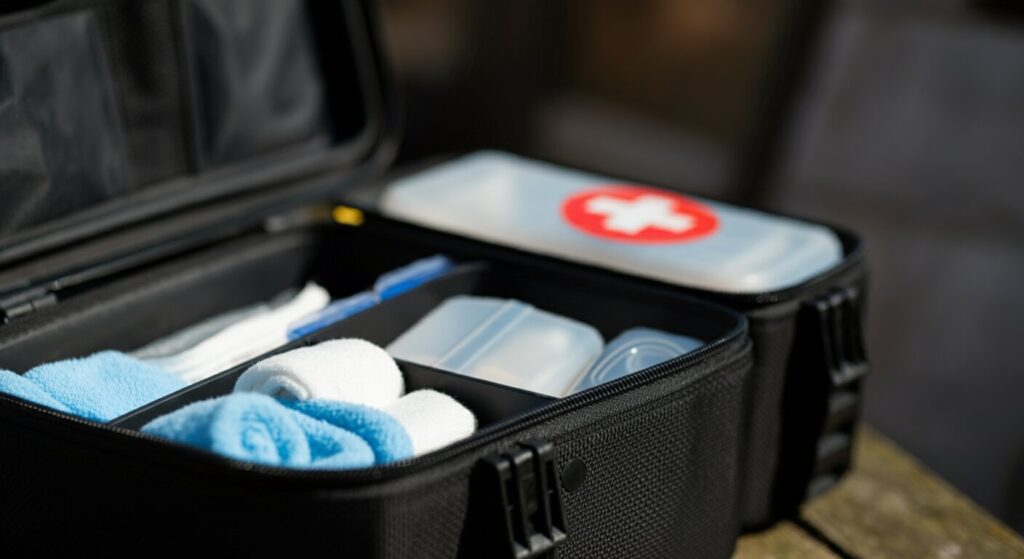
Sports First Aid Kits
1. Bandages (assorted sizes)
2. Gauze pads (20-50)
3. Antiseptic wipes (100-200)
4. Medical tape (2-3 rolls)
5. Scissors
6. Tweezers
7. Thermometer (oral or digital)
8. First aid manual
9. Pain relievers (acetaminophen, ibuprofen)
10. Antihistamines (Benadryl)
11. Hydrocortisone cream
12. Antibiotic ointment
13. Cold pack
14. Hot pack
15. Athletic tape
16. Mouth guard
17. Injury report form
18. Emergency contact information
Travel First Aid Kits
1. Bandages (assorted sizes)
2. Gauze pads (10-20)
3. Antiseptic wipes (50-100)
4. Medical tape (1-2 rolls)
5. Scissors
6. Tweezers
7. Thermometer (oral or digital)
8. First aid manual
9. Pain relievers (acetaminophen, ibuprofen)
10. Antihistamines (Benadryl)
11. Hydrocortisone cream
12. Antibiotic ointment
13. Diarrhea medication
14. Motion sickness medication
15. Insect repellent
16. Travel documents (e.g., insurance, ID)
17. Embassy contact information
18. Local medical information
Vehicle First Aid Kits
1. Bandages (assorted sizes)
2. Gauze pads (10-20)
3. Antiseptic wipes (50-100)
4. Medical tape (1-2 rolls)
5. Scissors
6. Tweezers
7. Thermometer (oral or digital)
8. First aid manual
9. Pain relievers (acetaminophen, ibuprofen)
10. Antihistamines (Benadryl)
11. Hydrocortisone cream
12. Antibiotic ointment
13. Burn cream
14. Eye wash solution
15. Reflective triangles or road flares
16. Jumper cables
17. Flashlight
18. Fire extinguisher
19. Spare tires and tools
Remember to check expiration dates, restock supplies, and update your first aid kit regularly.
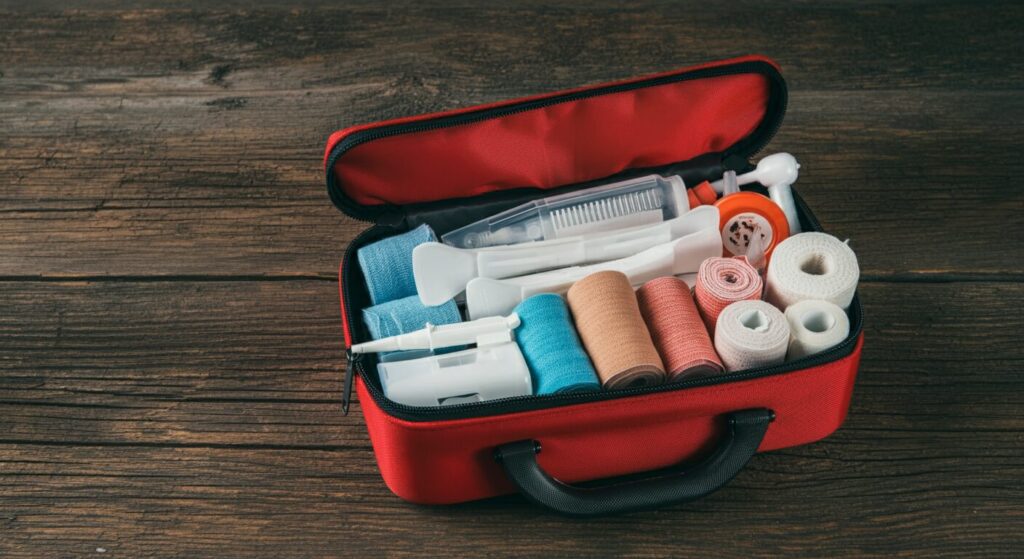 Why is a First Aid Kit Important?
A First Aid Kit is a vital component of emergency preparedness, serving as a lifesaving tool in various situations. Having a well-stocked kit enables prompt response to accidents and injuries, reducing the risk of further harm or complications.
1. Prompt Response: Accidents can occur anywhere, at any time, making immediate response crucial. A First Aid Kit ensures that you’re prepared to provide care right away, addressing minor issues before they escalate into more serious problems.
2. Infection Prevention: Proper wound care and hygiene are critical in preventing infections. By cleaning and dressing wounds, you promote healing and reduce the risk of serious health issues. This is especially important in Nigeria, where infectious diseases are prevalent.
3. Pain Management: First aid supplies, such as pain relievers, help alleviate discomfort and reduce stress. Effective pain management enables individuals to focus on recovery rather than suffering.
4. Emergency Preparedness: Life is unpredictable, and emergencies can arise unexpectedly. A first aid kit prepares you for various situations, ensuring you’re equipped to respond effectively.
5. Reduced Recovery Time: Proper wound care speeds up the recovery process, minimizing downtime and enabling individuals to return to their normal activities sooner.
6. Cost-Effectiveness: Preventing minor issues from becoming major medical problems saves money in the long run. By investing in a First Aid Kit, you’re investing in your well-being and financial security.
7. Increased Safety: A first aid kit demonstrates concern for safety and well-being, promoting a culture of responsibility. This is particularly important in workplaces, schools, and other institutions where safety is paramount.
8. Compliance: Many organizations require first aid kits to ensure regulatory compliance. By having a well-stocked kit, you demonstrate adherence to safety standards.
9. Enhanced Confidence: Knowing you’re prepared for emergencies boosts confidence and reduces anxiety. A first aid kit provides peace of mind, enabling you to focus on daily activities without worry.
10. Saves Lives: In extreme cases, a first aid kit can be the difference between life and death. Prompt response and proper care can mean the difference in emergencies.
Conclusion
In Nigeria, a first aid kit is important due to limited access to medical facilities in some areas, the high risk of accidents and injuries, the prevalence of infectious diseases, and the importance of prompt response.
A first aid kit is essential for various settings, including workplaces, schools, homes, and outdoor activities. By prioritizing preparedness and safety, individuals and organizations can minimize risks and ensure well-being.

Digi Clinicaid Nigeria Ltd is an online medical marketplace in Nigeria.


