A wrist blood pressure monitor is one of the simplest home health devices you can own, but “simple” does not mean “impossible to get wrong.” How you use it directly determines how much you can trust the numbers it gives you. Two people using the exact same monitor can get very different quality of data, one building a genuinely useful health record, the other collecting numbers that are quietly unreliable without realizing it. This guide walks through the correct process step by step, so every reading you take is one you can actually rely on.
Before You Even Wrap the Cuff
Good readings start before you touch the device. A few small habits in the minutes before you measure make a real difference.
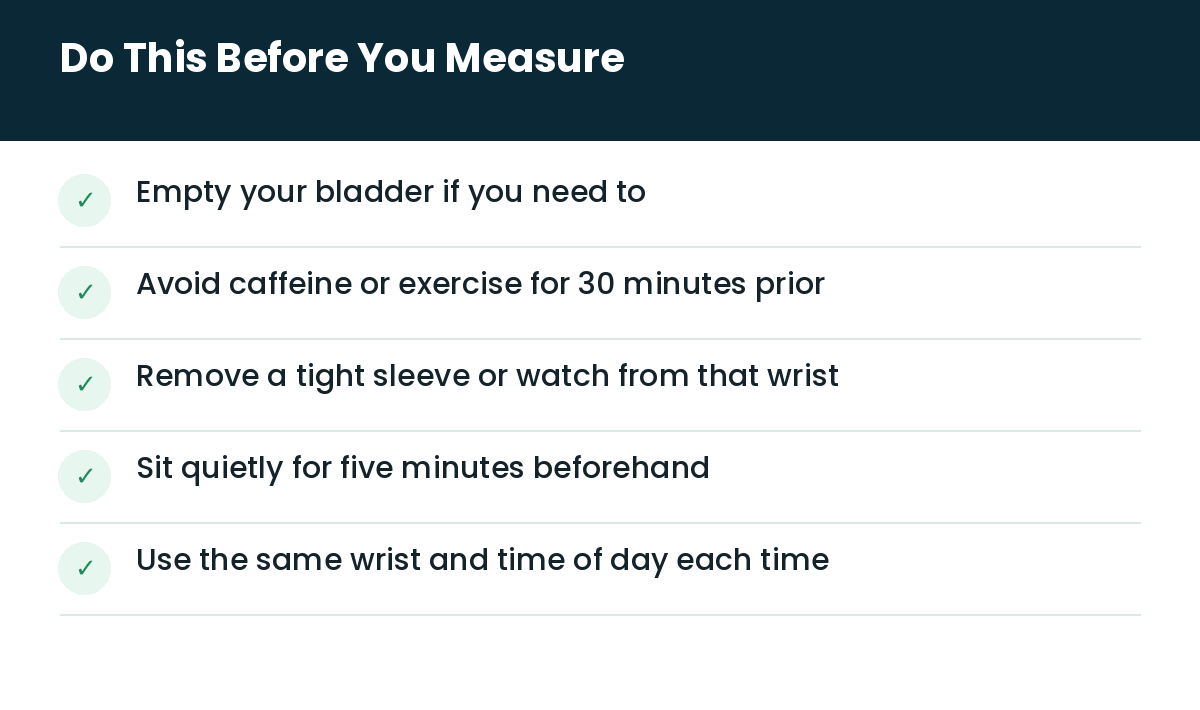
Avoid caffeine, food, and exercise for at least 30 minutes beforehand, since all three can temporarily raise your blood pressure. Empty your bladder if you need to, a full bladder can add a few extra points to your reading. Remove a tight sleeve, bracelet, or watch from the wrist you plan to use, since anything constricting can interfere with the cuff. Then sit down somewhere quiet, with your back supported and your feet flat on the floor, and give yourself about five minutes to settle before you begin.
The 5-Step Process
Once you are ready, the actual measurement takes less than a minute.
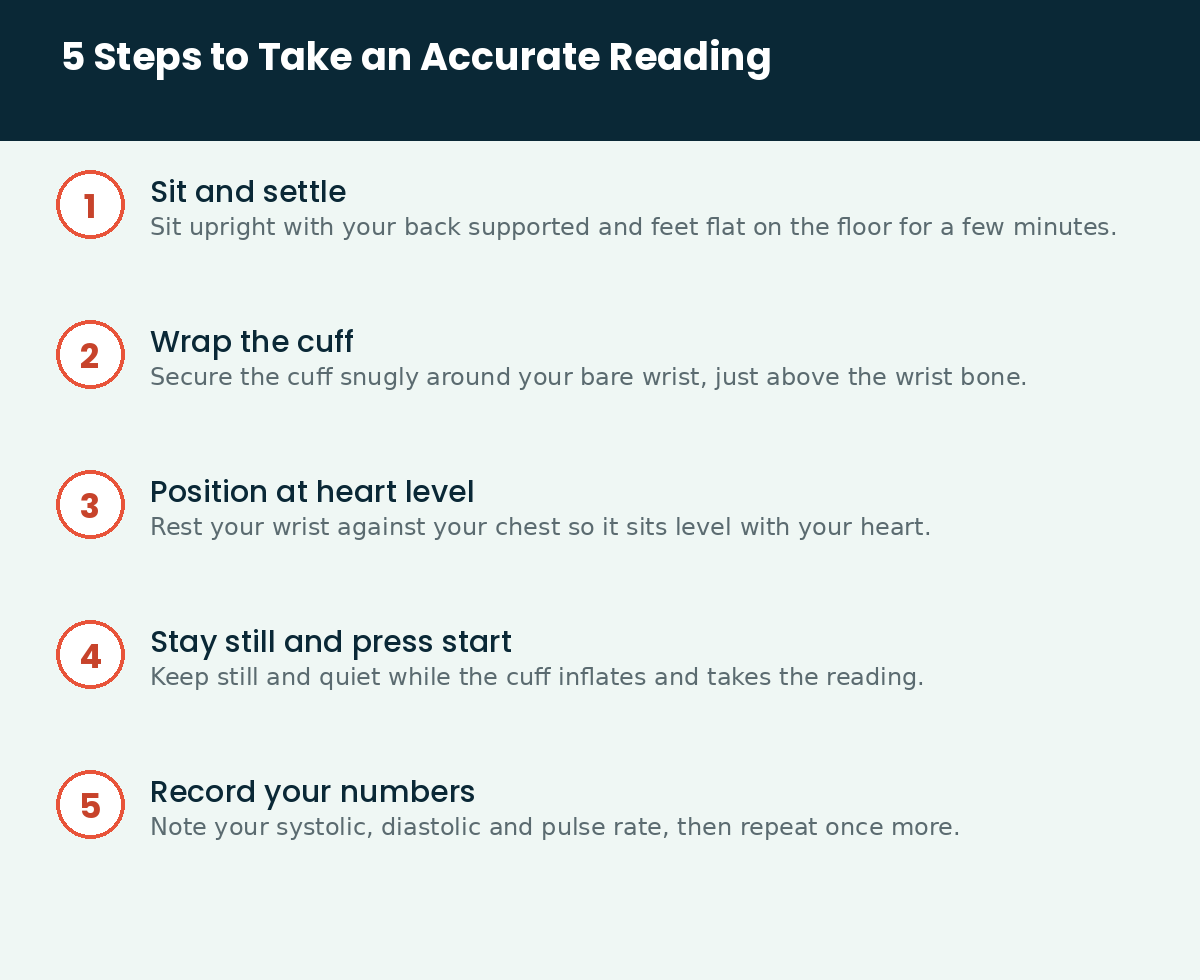
1. Sit and settle. Stay seated upright, back supported, feet flat, for a few quiet minutes before you start.
2. Wrap the cuff. Secure it snugly around your bare wrist, positioned just above the wrist bone, following the placement guide printed on the cuff itself.
3. Position at heart level. This is the step most people skip, and it matters more than almost anything else. Rest your wrist against your chest, supported by your other hand or a cushion, so it sits level with your heart.
4. Stay still and press start. Keep quiet and still while the cuff inflates and takes its measurement. Talking or shifting your body can distort the reading.
5. Record your numbers. Note your systolic pressure (the top number), diastolic pressure (the bottom number), and pulse rate. Then wait about a minute and take a second reading to confirm.
The American Heart Association follows this same core sequence in its official guidance on home blood pressure measurement, and specifically recommends taking two readings, a minute apart, each time you check (AHA guidance on accurate home measurement).
Why Position Matters So Much
Of every mistake people make with a wrist monitor, incorrect positioning causes the most inaccurate readings by far. If your wrist sits below heart level, your reading will typically come out higher than your actual blood pressure. If it sits above heart level, it can come out lower than reality. Neither error is a fault of the device, it is simply physics, gravity affects the pressure reading based on where the cuff sits relative to your heart.
This is also the single easiest thing to fix. Once you build the habit of resting your wrist against your chest during a reading, this source of error disappears almost entirely.
Reading Your Results
Once you have your numbers, it helps to know what they actually mean.
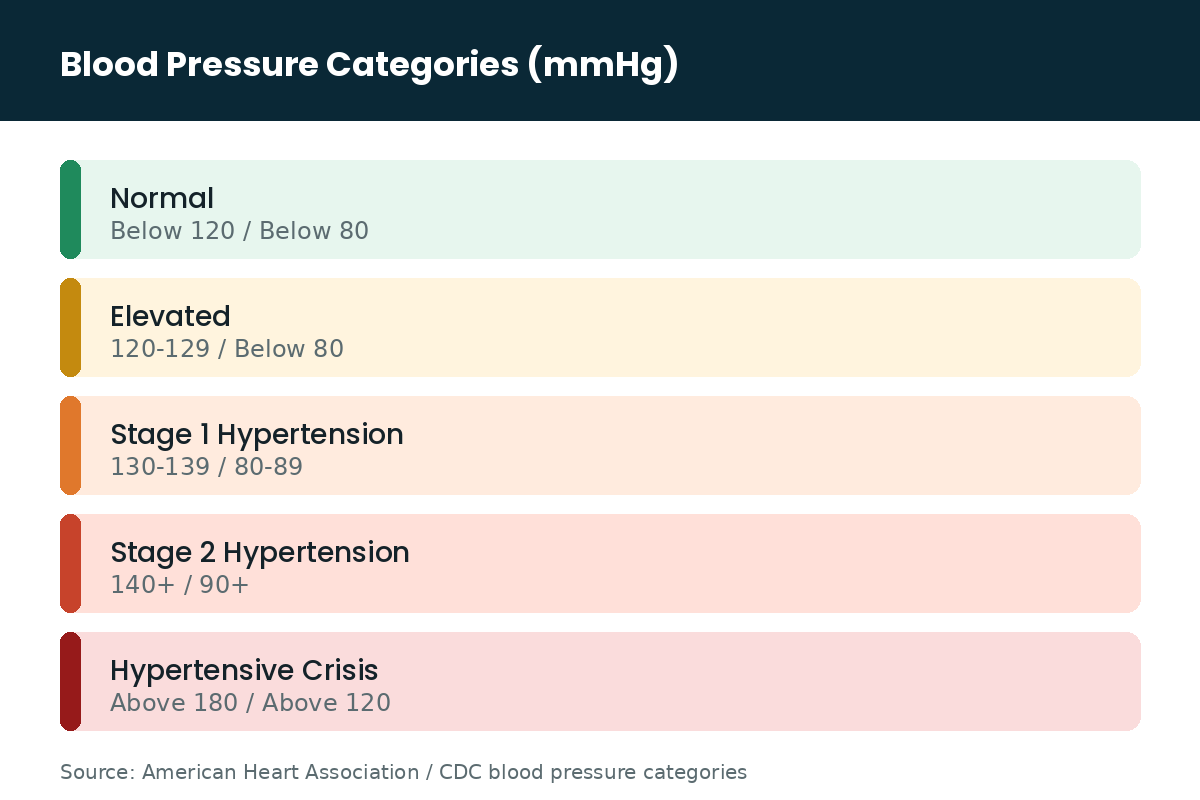
A single high reading is not automatically a diagnosis. Blood pressure naturally fluctuates throughout the day based on stress, activity, and even the time you last ate. What matters more is the pattern over several days. If you consistently see numbers at or above 130/80 mmHg, it is worth discussing with a healthcare professional, and any single reading above 180/120 mmHg, especially with symptoms like chest pain or difficulty breathing, needs urgent medical attention right away (NHLBI guidance on high blood pressure).
Building a Simple Daily Habit
If you are tracking blood pressure regularly, whether for yourself or for a parent you are keeping an eye on, consistency matters more than perfection. Try to measure at roughly the same time each day, ideally morning and evening, using the same wrist each time. Write your numbers down or use your monitor’s memory function so you have a real record to show a doctor, rather than relying on memory.
Choosing the Right Monitor for This Routine
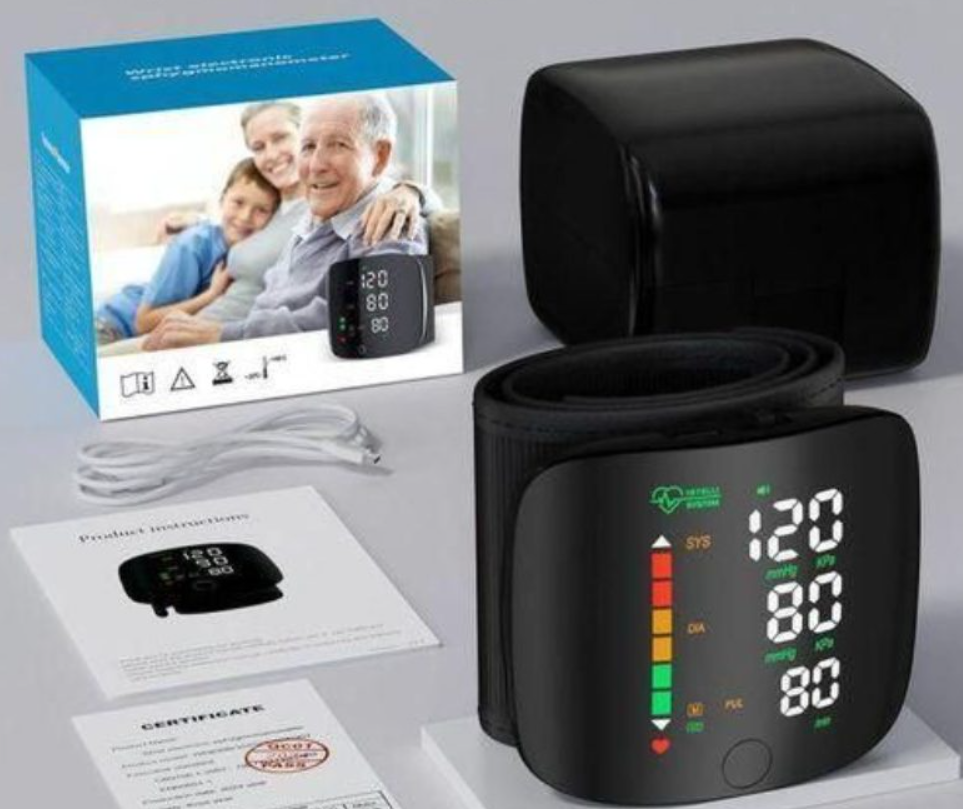
A monitor that is easy to use correctly, every single time, will always give you better data than a more complicated one you eventually stop using properly. Our Digital Wrist Blood Pressure Monitor is built around exactly this idea, one button, an automatic reading, and a memory function that stores your history for you. For anyone who wants to measure on the move, our Portable Digital Wrist Blood Pressure Monitor is designed for the same accuracy in a travel-friendly size, and our standard Wrist BP Monitor covers everyday home use.
Final Thoughts
Using a wrist blood pressure monitor correctly takes less than two minutes once it becomes a habit. Sit still, position your wrist at heart level, stay quiet during the reading, and measure twice. Get those four things right consistently, and you will have a genuinely useful, trustworthy record of your blood pressure over time.
For more practical health guides like this one, visit the ClinicAid blog.
Making It a Habit, Not a Chore
The biggest reason people stop monitoring their blood pressure at home is not inaccuracy, it is inconvenience. If checking your blood pressure feels like a complicated ritual, you will naturally do it less often, and the value of home monitoring comes entirely from consistency over time. Keep your monitor somewhere visible and easy to reach, rather than tucked away in a drawer you forget about. Pair the habit with something you already do daily, right after breakfast, or right before bed, so it becomes automatic rather than something you have to remember separately.
Frequently Asked Questions
Which wrist should I use to take my reading? Either wrist works, but it is best to pick one and stick with it consistently, since blood pressure can differ slightly between your left and right side. Using the same wrist each time makes it easier to track genuine changes over weeks and months.
What time of day should I measure my blood pressure? Morning and evening are the most commonly recommended times, ideally before breakfast and before dinner, since blood pressure naturally follows a daily pattern. Try to measure at roughly the same times each day for the most useful comparison over time.
Can I take a reading right after waking up? Yes, but give yourself a few minutes to sit upright and settle first rather than measuring the moment you open your eyes. Blood pressure readings taken immediately upon waking, before you have moved around, can sometimes be slightly different from your typical resting numbers.
Do I need to remove my watch or jewelry before measuring? Yes, remove any watch, bracelet, or tight sleeve from the wrist you are using. Anything constricting the area can interfere with the cuff’s ability to get an accurate reading.
What should I do if I get two very different readings in a row? Rest for a few minutes and take a third reading. If your numbers remain inconsistent across multiple attempts, double check that your positioning is correct, wrist at heart level, sitting still, cuff snug but not too tight, and consider comparing your device against a clinical reading at your next appointment.

Digi Clinicaid Nigeria Ltd is an online medical marketplace in Nigeria.