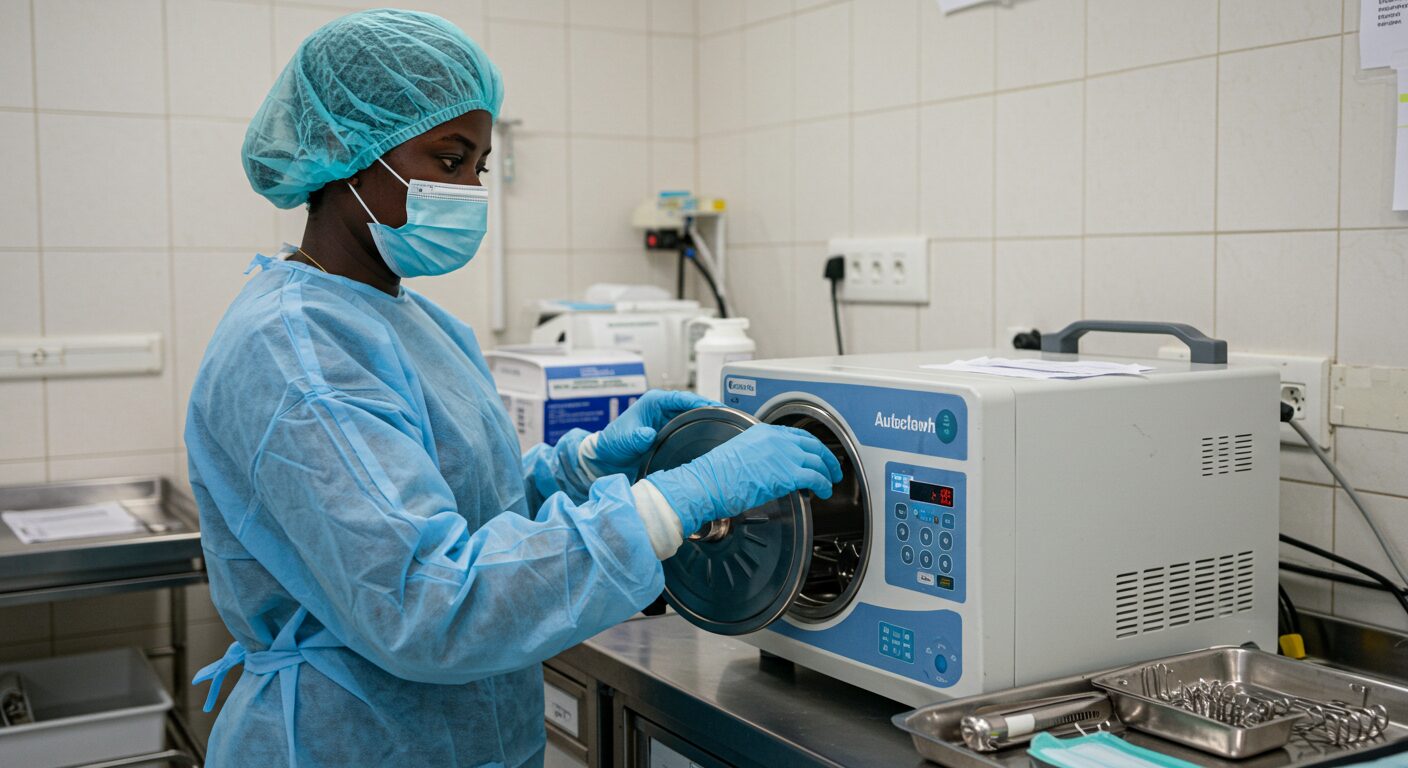
In the medical and healthcare industries, maintaining proper sterilization and hygiene is crucial to prevent the spread of infections and diseases. One of the most effective and widely used methods for sterilization is autoclaving.
In this article, we’ll explain: what is an autoclave, its uses, and benefits. We will also show you how to get the best autoclaving equipment in Nigeria.
What is an Autoclave?
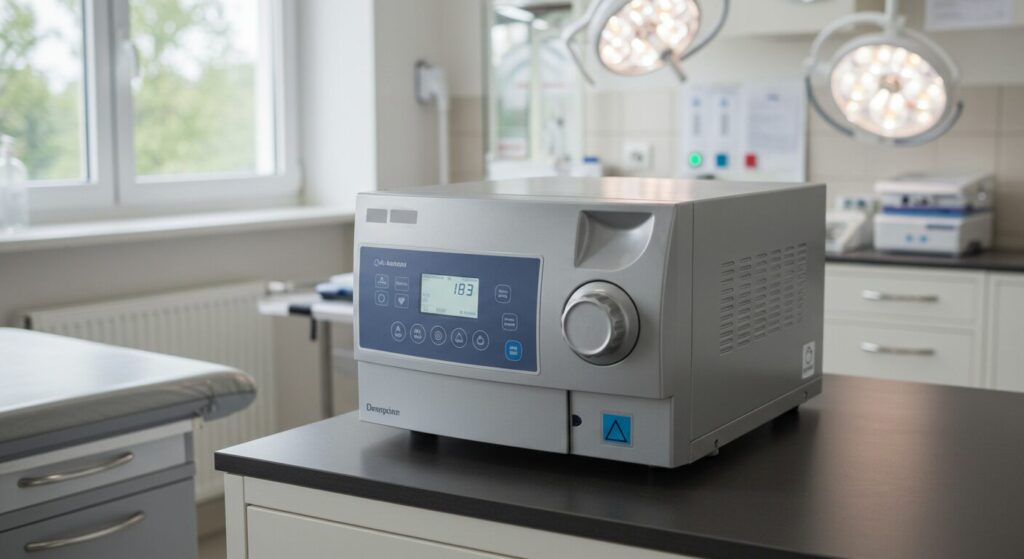
An autoclave is a pressure chamber used for sterilizing equipment, instruments, and supplies by subjecting them to high pressure and temperature. The autoclaving process involves using steam under pressure to kill bacteria, viruses, fungi, and other microorganisms.
Autoclaves are designed to provide a safe and reliable method for sterilizing heat-resistant materials. They are commonly used in hospitals, clinics, dental offices, and laboratories. Autoclaves are also used in the pharmaceutical and food processing industries.
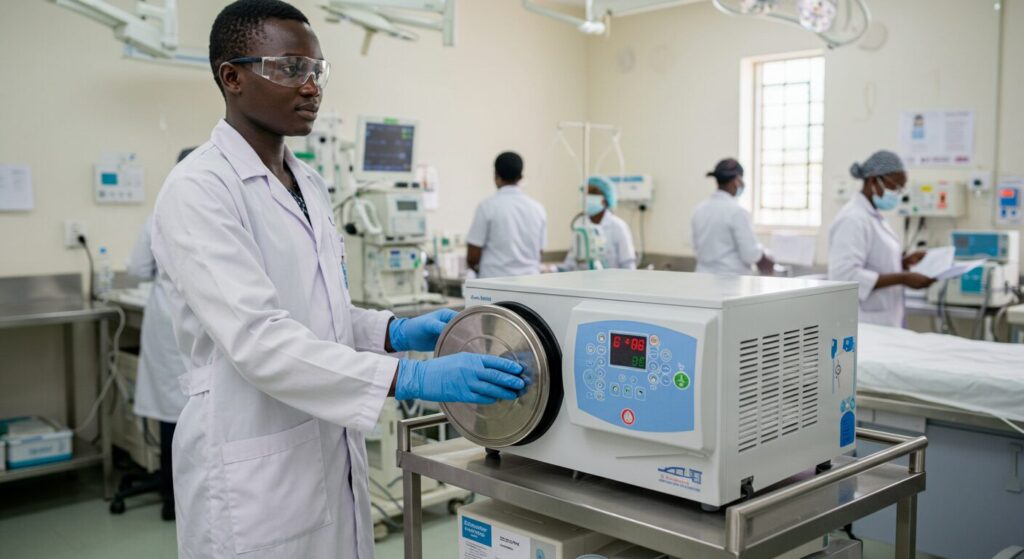
How Does an Autoclave Work?
The autoclaving process involves the following steps:
1. Preparation
Items to be sterilized are placed in the autoclave chamber. The items are typically wrapped in a sterilization wrap or placed in a sterilization bag to prevent re-contamination after sterilization.
2. Steam Generation
Steam is generated and pumped into the chamber. The steam is usually produced by an electric heating element or a steam generator.
3. Pressure Build-up
The steam builds up pressure in the chamber, typically between 10-30 psi. The pressure is monitored by a pressure gauge to ensure that it reaches the required level.
4. Temperature Increase
The temperature in the chamber increases to a minimum of 121°C (250°F). The temperature is monitored by a temperature gauge to ensure that it reaches the required level.
5. Sterilization
The high temperature and pressure combination kills microorganisms. The sterilization process typically takes between 15-30 minutes, depending on the type of items being sterilized.
6. Cooling
After the sterilization cycle, the chamber is cooled, and the items are removed. The items are then ready for use.
Uses of Autoclaves
Autoclaves have numerous applications in various industries, including:
1. Medical and Healthcare
Autoclaves are used to sterilize medical instruments, equipment, and supplies. They are commonly used in hospitals, clinics, and nursing homes.
2. Dental
Autoclaves are used to sterilize dental instruments and equipment. They are commonly used in dental offices and clinics.
3. Laboratory
Autoclaves are used to sterilize laboratory equipment, instruments, and supplies. They are commonly used in research laboratories, universities, and hospitals.
4. Pharmaceutical
Autoclaves are used to sterilize pharmaceutical equipment, instruments, and supplies. They are commonly used in pharmaceutical manufacturing facilities and laboratories.
5. Food Processing
Autoclaves are used to sterilize food processing equipment and instruments. They are commonly used in food manufacturing facilities and laboratories.
Benefits of Autoclaves
Autoclaves offer several benefits, including:
1. Effective Sterilization
Autoclaves provide a reliable and efficient method for sterilizing equipment and supplies. They can achieve sterilization rates of up to 99.9%.
2. Reduced Risk of Infection
Autoclaves help reduce the risk of infection by killing microorganisms. This is particularly important in healthcare settings where patients may have compromised immune systems.
3. Increased Efficiency
Autoclaves can process large quantities of equipment and supplies quickly and efficiently. This can help reduce the workload of healthcare professionals and improve patient care.
4. Cost-Effective
Autoclaves are a cost-effective method for sterilization compared to other methods. They can help reduce the cost of sterilization and improve the bottom line of healthcare facilities.
5. Environmentally Friendly
Autoclaves are an environmentally friendly method for sterilization. They use steam to sterilize equipment and supplies, which is a more environmentally friendly method than using chemicals.
Do autoclaves sterilize or disinfect?
Autoclaves are designed to sterilize equipment and supplies, not just disinfect them.
Sterilization is a process that eliminates all forms of microbial life, including bacteria, fungi, viruses, and spores. Autoclaves use high-pressure steam to achieve sterilization, typically at temperatures between 121°C to 134°C (250°F to 273°F) for 15 to 30 minutes.
Disinfection, on the other hand, is a process that reduces the number of microorganisms on a surface but may not eliminate all forms of microbial life. Disinfection is typically achieved through the use of chemicals or other methods that reduce the microbial load.
Autoclaves are considered a more effective method of sterilization than disinfection because they can eliminate all forms of microbial life, including spores, which are highly resistant to disinfection. This makes autoclaves an essential tool in healthcare settings, laboratories, and other industries where sterilization is critical.
It’s worth noting that autoclaves can also be used for disinfection purposes, but this is not their primary function. If an autoclave is used for disinfection, it’s essential to follow the manufacturer’s guidelines and ensure that the autoclave is properly maintained and validated to ensure effective disinfection.
What items can be sterilized in an autoclave?
Autoclaves can sterilize a wide range of items, including:
1. Medical instruments: Surgical instruments, dental instruments, and other medical equipment that can withstand high temperatures and pressures.
2. Laboratory equipment: Laboratory instruments, glassware, and other equipment used in scientific research and testing.
3. Dental equipment: Dental handpieces, drills, and other equipment used in dental procedures.
4. Surgical supplies: Surgical gloves, gowns, and other supplies that can be sterilized by autoclaving.
5. Pharmaceutical equipment: Equipment used in the manufacture and packaging of pharmaceuticals, such as vials, syringes, and other containers.
6. Food processing equipment: Equipment used in food processing, such as utensils, containers, and other equipment that comes into contact with food.
7. Veterinary equipment: Equipment used in veterinary medicine, such as surgical instruments, dental equipment, and other supplies.
8. Cosmetic equipment: Equipment used in the cosmetic industry, such as equipment used in spas, salons, and other cosmetic establishments.
9. Biological samples: Biological samples, such as tissues, cells, and other biological materials, can be sterilized by autoclaving before disposal.
10. Waste disposal: Autoclaves can be used to sterilize medical waste, such as sharps, gloves, and other contaminated materials, before disposal.
However, not all items can be sterilized in an autoclave. Items that should not be autoclaved include:
- Electronic equipment
- Items with plastic or rubber components that may melt or deform under high temperatures and pressures
- Items with lubricants or other chemicals that may be affected by high temperatures and pressures
- Items that are sensitive to moisture or humidity
- Items that are made of materials that may be damaged by autoclaving, such as certain types of plastics or textiles.
It’s essential to check the manufacturer’s instructions and guidelines before autoclaving any item to ensure that it can withstand the high temperatures and pressures involved in the autoclaving process.
What is the difference between an autoclave and a sterilizer?
An autoclave and a sterilizer are both used for sterilization purposes, but they differ in their design, functionality, and methods of sterilization.
Autoclave
An autoclave is a type of sterilizer that uses high-pressure steam to sterilize equipment, instruments, and supplies.
Autoclaves operate at high temperatures (usually between 121°C to 134°C) and pressures (usually between 10-30 psi) to kill microorganisms. Autoclaves are commonly used in healthcare, laboratories, and other industries where sterilization is critical.
Sterilizer
A sterilizer is a broader term that encompasses various methods of sterilization, including autoclaving, dry heat sterilization, ethylene oxide sterilization, and others.
Sterilizers can use different methods to achieve sterilization, such as heat, chemicals, or radiation. Sterilizers are used in various industries, including healthcare, food processing, and pharmaceuticals.
Key differences
1. Method of sterilization: Autoclaves use high-pressure steam, while sterilizers can use various methods, including heat, chemicals, or radiation.
2. Temperature and pressure: Autoclaves operate at high temperatures and pressures, while sterilizers may use different temperature and pressure settings depending on the method of sterilization.
3. Applications: Autoclaves are commonly used in healthcare and laboratories, while sterilizers are used in a broader range of industries, including food processing and pharmaceuticals.
4. Design and functionality: Autoclaves are designed specifically for steam sterilization, while sterilizers can have different designs and functionalities depending on the method of sterilization.
In summary, all autoclaves are sterilizers, but not all sterilizers are autoclaves. Autoclaves are a specific type of sterilizer that uses high-pressure steam for sterilization, while sterilizers can use various methods to achieve sterilization.
Conclusion
Autoclaves are critical in maintaining proper sterilization and hygiene in various industries. By understanding an autoclave and its uses, you can ensure the effective sterilization of equipment and supplies, reduce the risk of infection, and promote a safe and healthy environment.
At Clinicaid.com.ng, we offer a range of autoclaves and sterilization equipment to meet your needs. Contact us today to learn more about our products and services.

Digi Clinicaid Nigeria Ltd is an online medical marketplace in Nigeria.